
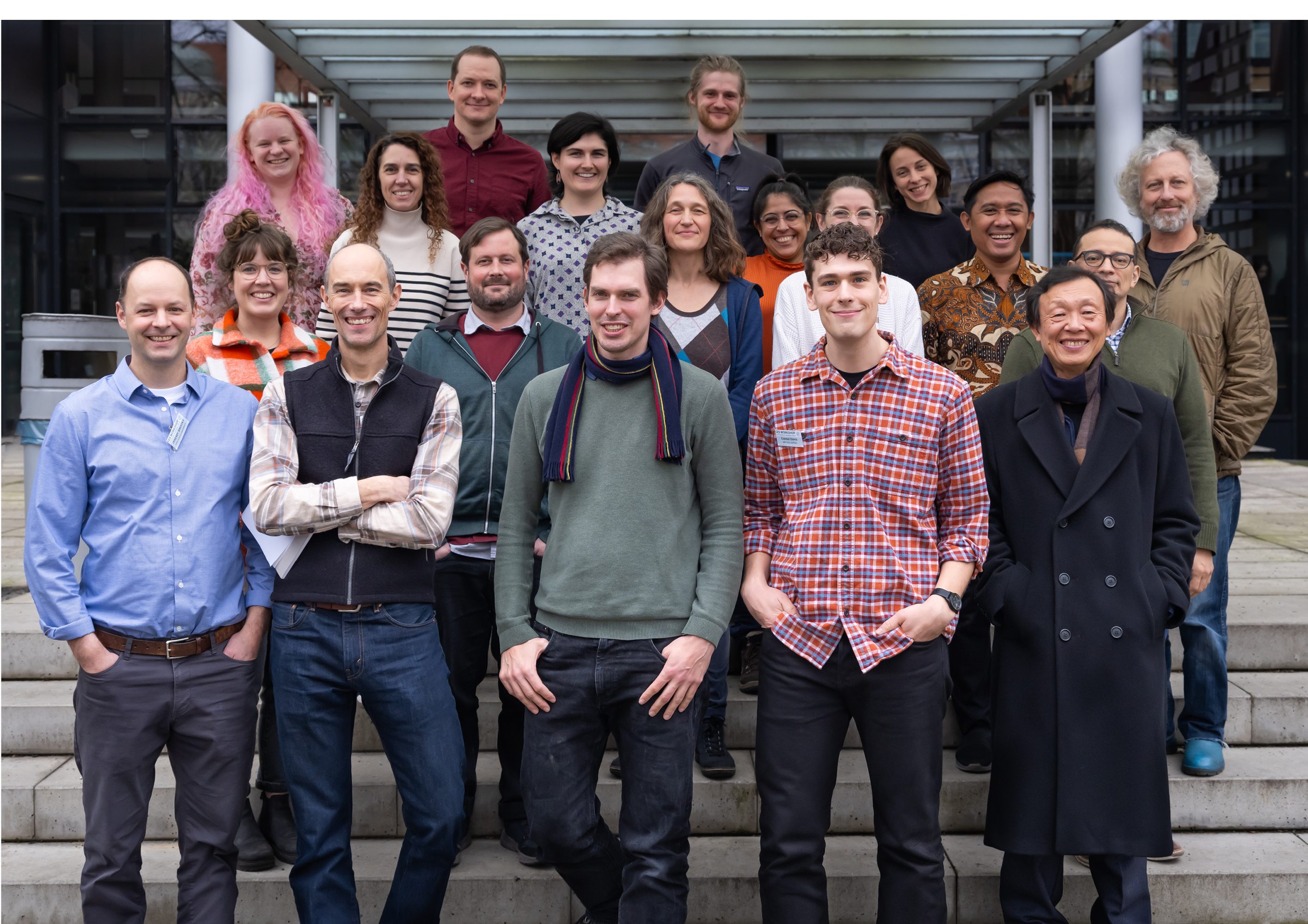
Last week, Dr. Tim Waring helped lead an international workshop on growing an applied science of cultural evolution for a sustainable future. The workshop was the culminating event of an applied working group project, funded by the Cultural Evolution Society (CES) Transformation Fund, and led by Dr Rebecca Koomen (University of Dundee) and Dr Tim Waring (University of Maine). Hosted by the Max Planck Institute for Evolutionary Anthropology in Leipzig (Feb 6-8, 2024), the workshop and the larger working group project contribute to the ongoing work of the Sustainability Working Group of the CES, and the applied science network Evolve and Sustain.
The project started in earnest this fall with a series of online focus groups with participants in the domains of government, education, community, NGOs, business, and grassroots groups. Starting from a simple set of key concepts from the science of cultural evolution, these groups met to discuss how to apply cultural evolution to sustainability, and the benefits and challenges of doing so in their domains. The lessons learned, and the relationships formed provided the basis for the workshop.
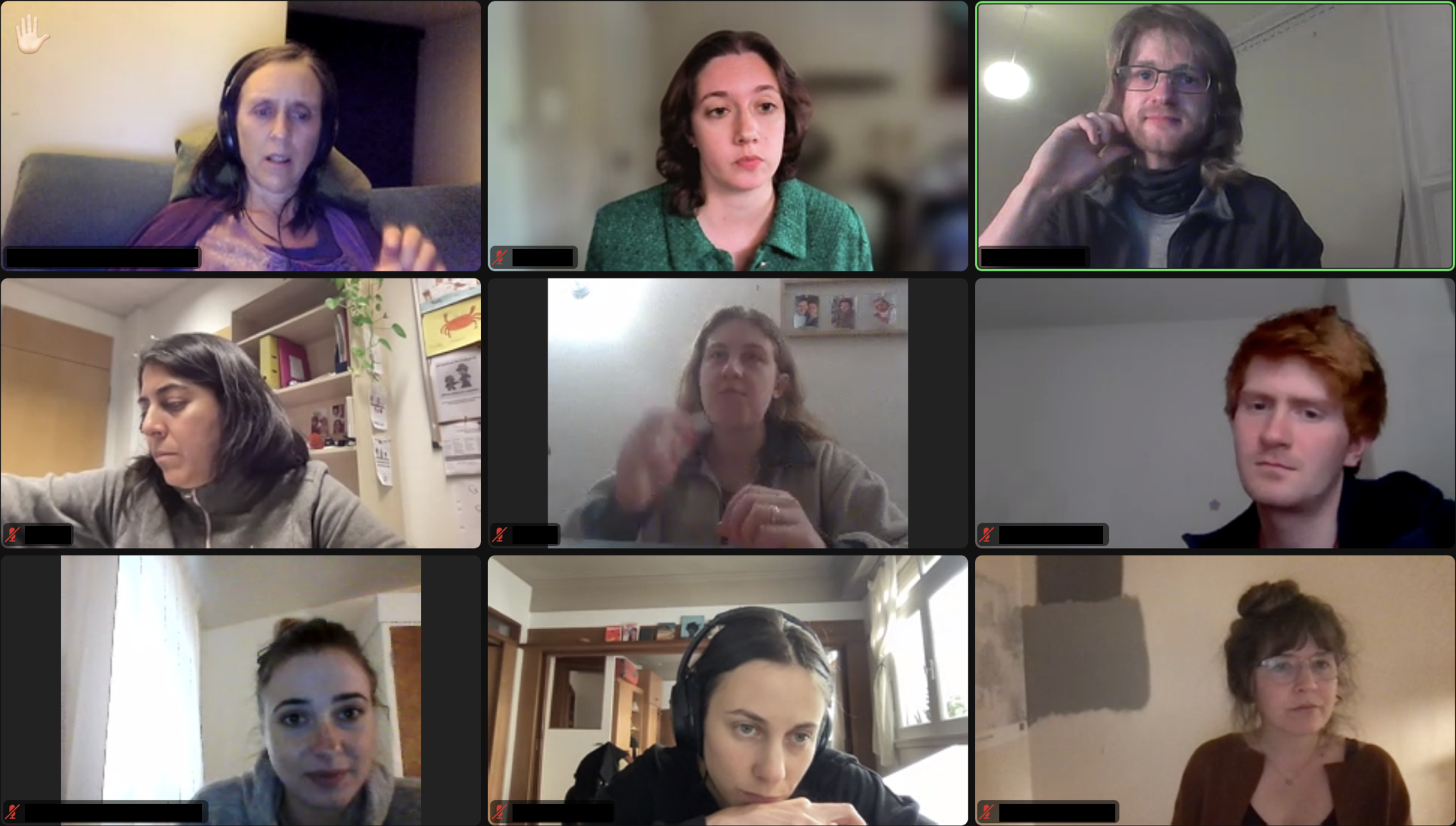
The workshop included guidance and instruction on effective researcher-practitioner collaborations from collaboration scholar and expert Adam Seth Levine, and an interactive art session with Chilean artist Antonia Lara, discussions and comparison of the lessons learned across domains, and work to develop new applied tools that leverage cultural evolution for sustainability impact. The workshop was also attended by variety of interested practitioners including experts from Environmental Defense Fund, and Rare.org with professional experience in making behavioral and social change for environmental sustainability, as well as sustainability education scholars, environmental grassroots organizers, and others.
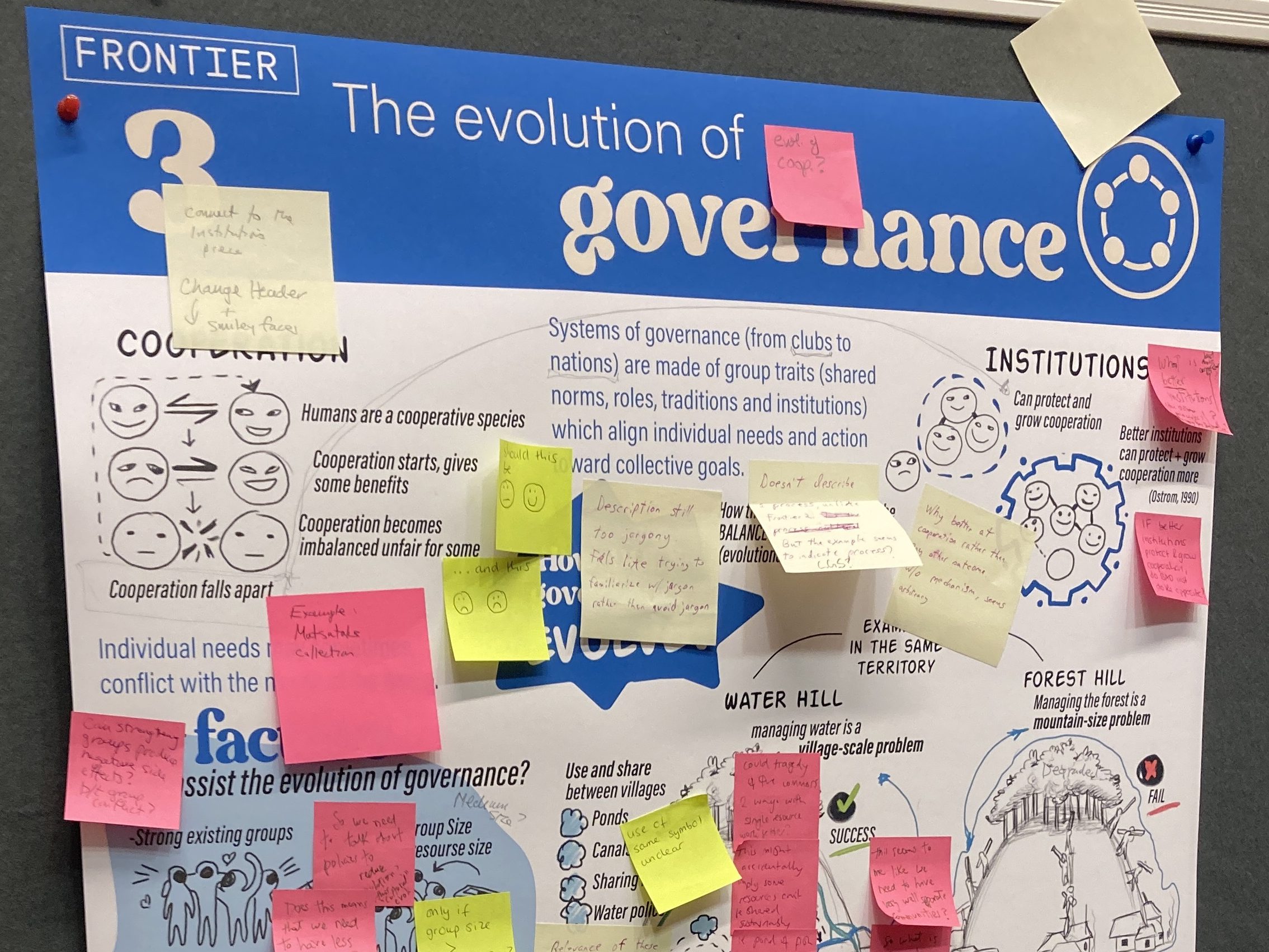
The workshop broke new ground and the effort to build a useful applied science of cultural evolution has taken an important step forward. We learned a lot from trying, and sometimes failing, to meet in the middle. And failure was the point. We must start from failure to learn how to succeed. So, we are not ready with amazing new tools or interventions to save the world, but we do have more clarity about how to find and build those tools, and a greater appreciation for the appetite among practitioners for the tools we might create.
The workshop will generate a set of unique outputs including public educational infographics, policy guidance templates, an academic paper and new collaborative efforts to accelerate the exploration of this promising area for finding novel tools for positive social change.
We are growing an applied science of cultural evolution for a sustainable future.
And there is so much to do!


 ACE Lab: Applied Cultural Evolution Laboratory