
We study how human culture evolves so we can help nurture beneficial social change.
We ask questions like
- How do societies evolve to limit their environmental impact?
- How can we accelerate beneficial social change?
- How do cooperative behaviors, sustainable institutions and just societies arise and persist?
- How do the patterns of long-term human evolution help us understand how to avoid the worst futures?
Projects
An applied science of beneficial social change
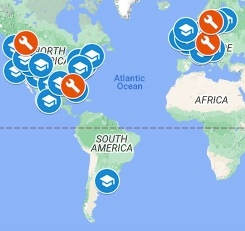
We are building an applied science of beneficial social change, hosting conversations and growing a research and practice network with policy makers, and cultural evolution scientists conservation NGOs, sustainability organizations, government agencies, and grassroots organizations around the world. Get involved here!
Cultural adaptation to climate change

The way that human populations and groups come to adopt cultural practices that are advantageous under climate change is poorly understood. We study the process of cultural adaptation to climate change, and apply the insights to enhance climate adaptation policy in contemporary settings. Funded by the NSF.
The evolution of environmental governance

How does environmental governance emerge? What leads some groups to manage their resources carefully and equitably, and why do others exhaust their environment? We study the evolution of environmental governance through cultural multilevel selection using simulation models and behavioral experiments and case study analysis from irrigation systems in Tamil Nadu to the blueberry, lobster and local food industries in Maine. Funded by the NSF.
Organizational change

How do human organizations emerge, develop, fall apart and evolve over time? What role does cooperation play in human organizational change? Cooperative organizations provide an important model for the study human organizations at large. Our research suggests that cooperatives are able to maintain a higher degree of economic prosociality and generosity than equivalent organizations, and that cooperatives have evolved a set of institutional principles which help to regulate the cooperation they depend on. Funded by the NSF.
Human evolution
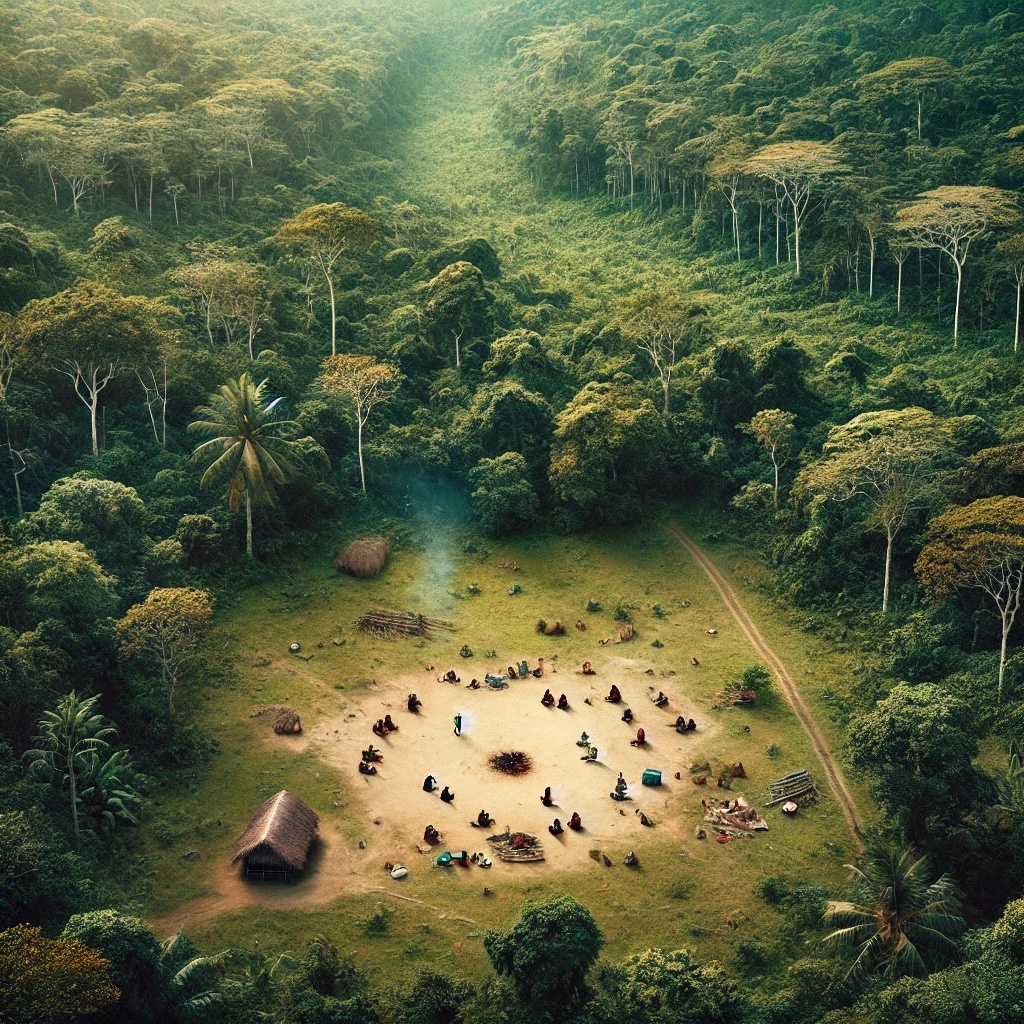
How is human evolution unique? How do genes and culture co-evolve? How is the human species evolving? Can we create a better future for our species and the planet we call home? We propose that human evolution can be uniquely and parsimoniously described as a special sort of evolutionary transition, in which the adaptive capacity of human culture supersedes that of genetic adaptation. However, this self-reinforcing and accelerating process may endanger our species survival on a single planet. See our research agenda. Supported by the HERA fund at the University of Maine.
 ACE Lab: Applied Cultural Evolution Laboratory